
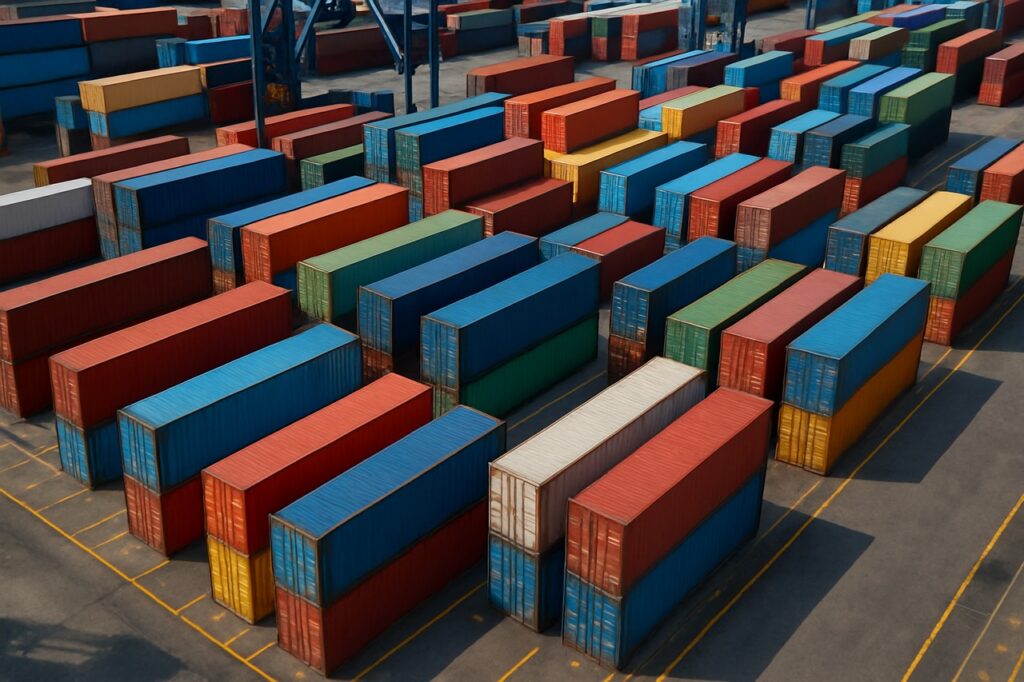
Shipping container rentals offer a flexible, affordable solution for secure on-site storage or temporary space. But like any lease, they come with potential pitfalls. Whether you’re a contractor, retailer, or managing a job site, avoiding these common shipping container rental mistakes can save you money and stress. Let’s dive into the missteps to watch for—and how to stay ahead of them.

1. Not Understanding the Rental Agreement
One of the biggest rental mistakes is signing the contract without fully reading it. Overlooking details like rental duration, maintenance obligations, and return conditions can lead to unexpected fees or limitations.
- Review who is responsible for maintenance and cleaning
- Check for penalties related to early return or damage
- Understand renewal options and end-of-term processes
2. Choosing the Wrong Container Size or Type
Renting a container that’s too small, too large, or ill-suited for your needs is a frequent mistake. This can disrupt workflows or inflate your costs unnecessarily.
- Assess your space and storage volume before choosing
- Consider specialty containers (e.g., double-door, high cube) if needed
- Ensure the container fits your job site or delivery location
3. Underestimating Site Requirements
Improper site preparation or inaccessible locations can complicate or prevent container delivery altogether.
- Verify clear access for delivery trucks
- Ensure level, solid ground for placement
- Consider weather, terrain, and local regulations
4. Overlooking Total Rental Costs
Focusing only on the base rental price can hide the true cost. Be aware of delivery, pickup, insurance, and any extra charges.
- Ask for a full quote including delivery and pickup
- Inquire about fees for cleaning, damage, or extended use
- Factor in insurance or liability requirements
5. Ignoring Container Condition on Delivery
Failing to inspect your rental container upon arrival can result in disputes over pre-existing damage or usability issues.
- Inspect for structural damage, leaks, rust, or odors
- Document container condition with photos
- Report any issues immediately to your rental provider
6. Renting Without Flexibility for Future Needs
Businesses often underestimate how long they’ll need the container—or how their needs might evolve.
- Choose a provider with flexible terms and upgrade options
- Allow buffer time in your rental period
- Anticipate possible changes in project scale or duration
7. Choosing the Wrong Rental Provider
Working with an inexperienced or unreliable provider can lead to delays, poor support, or hidden costs. At Eagle Leasing, we can guarantee quality service every time. That also goes for our partners, Rent-A-Container. Below are a few tips to make sure you’re working with a quality provider:
- Check reviews and industry experience
- Confirm availability, delivery timelines, and customer service
- Choose a provider like Eagle Leasing that offers reliable, job site-ready containers and top-tier support
Key Takeaways
- Read the rental agreement thoroughly and ask questions
- Match the container size and type to your exact needs
- Prepare your site to avoid delivery issues
- Calculate total costs, including fees and delivery
- Inspect and document the container upon delivery
- Plan for flexibility in your rental duration
- Choose a trusted provider for reliable service and support
7 Common Shipping Container Rental Mistakes & How to Avoid Them Conclusion:
Avoiding these common shipping container rental mistakes can save you from unexpected costs, delays, and frustration. Whether you’re managing a construction site, retail overflow, or a seasonal project, planning ahead and choosing the right partner is key. Contact Eagle Leasing today to get the right container, at the right time, with the service and flexibility you need.