Inventory doesn’t follow a predictable schedule. One month, your backroom is manageable. Next thing you know, you’re stacking pallets in the hallway because holiday stock arrived before you cleared summer merchandise. This volatility makes renting storage space a practical solution.
By choosing a suitable rental term, you can avoid overpaying for long-term commitments on temporary needs or scrambling when you need more stable solutions. Retail managers, buyers and facilities teams can use this guide for choosing retail storage solutions that fit their operations.
What Is Short-Term Storage?
Short-term storage gives you temporary space to hold inventory for a few days to several months. This flexibility matters most when supply and demand shift quickly, letting you scale up during inventory surges and scale back down when space opens up. At Eagle Leasing, we offer short term rentals for projects 3 months and longer!
When to Use Short-Term Rentals
Storage space can quickly fill up during holidays or peak seasons. Short-term storage solutions handle inventory fluctuations without locking you into commitments you don’t need. Managers choose short-term rentals for:
- Seasonal inventory overflow: Storage planning becomes critical during peak retail seasons when timing everything perfectly isn’t realistic. When Christmas and other holiday stock, back-to-school merchandise or summer collections arrive before floor space opens up, you need a quick and temporary storage solution.
- Pop-up or temporary locations: Flash retail, event activations or temporary storefronts need on-site product storage without the overhead of permanent solutions.
- Flash inventory and promotional surges: Unexpected overstock from flash sales or buy-more-pay-less promotions can bloat your backroom beyond capacity.
- Supply chain disruptions: When you anticipate port congestion, raw material shortages or labor strikes, you can place bulk orders ahead of time and store inventory in a short-term rental space.
Key Advantages of Short-Term Rentals
Short-term rentals can offer the following benefits for retailers:
- Budget flexibility: You don’t need to sign a warehouse lease just to handle a few months of holiday inventory. A short-term rental gives you the space you need without the overhead commitment.
- Accessibility: Having storage units close by means employees can restock shelves instead of wasting time driving to off-site warehouses. You scale up units as peak seasons start, then scale down when peak seasons end, saving on both space and costs.
- Efficiency: Packing is simpler since you’re not preparing items for long-term preservation. Setting up short-term storage is typically a faster process than building out or negotiating a long-term lease, which matters when supply and demand shift suddenly.
What Is Long-Term Storage?
Long-term storage holds inventory for extended periods, such as multiple months or years. It provides stability for retailers who need consistent overflow space or specialized storage conditions integrated into regular operations.
When to Use Long-Term Rentals
Long-term storage makes operational sense when your needs stay consistent or when protection matters more than flexibility. Retail managers rely on these solutions for:
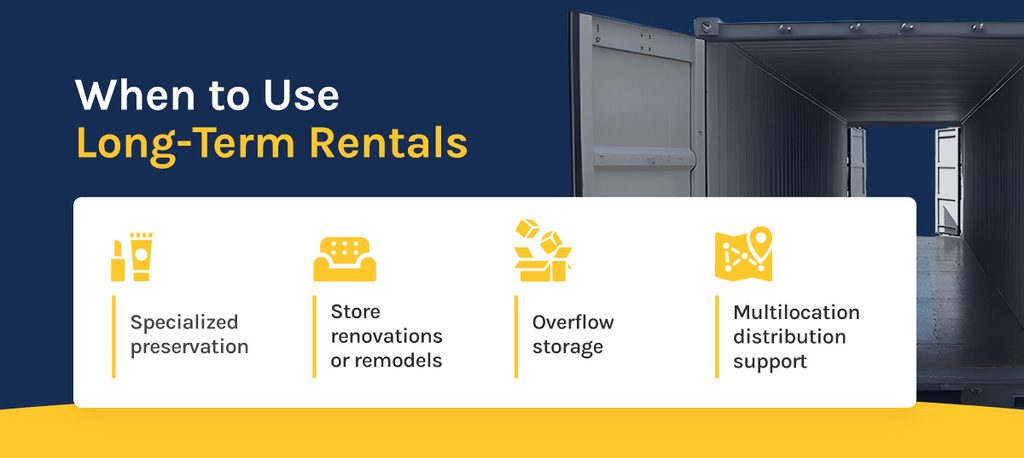
- Specialized preservation: Sensitive goods like cosmetics and electronics need climate-controlled storage to prevent damage from temperature fluctuations and humidity over time.
- Store renovations or remodels: You can store inventory and equipment in a safe location for months when floor plans change and construction disrupts normal operations.
- Overflow storage: When your backroom stays consistently full, a dedicated overflow solution makes more sense.
- Multilocation distribution support: Retailers with multiple locations across multiple states need consistent, accessible storage at each location. Stable rental agreements eliminate the logistical disruption of constant term renegotiations.
Key Advantages of Long-Term Rentals
Predictability is the main benefit of extended commitments. Long-term on-site storage makes it easy to rotate items in and out of storage as you need them. Monthly costs stay consistent, with no surprise fees or recurring setup charges eating into your budget, and longer-term commitments typically come with lower monthly rates than short-term rentals.
Types of Storage Rental Solutions
Different storage options offer varying levels of accessibility, control and service depending on what your retail operation needs.
Mobile and Portable Storage
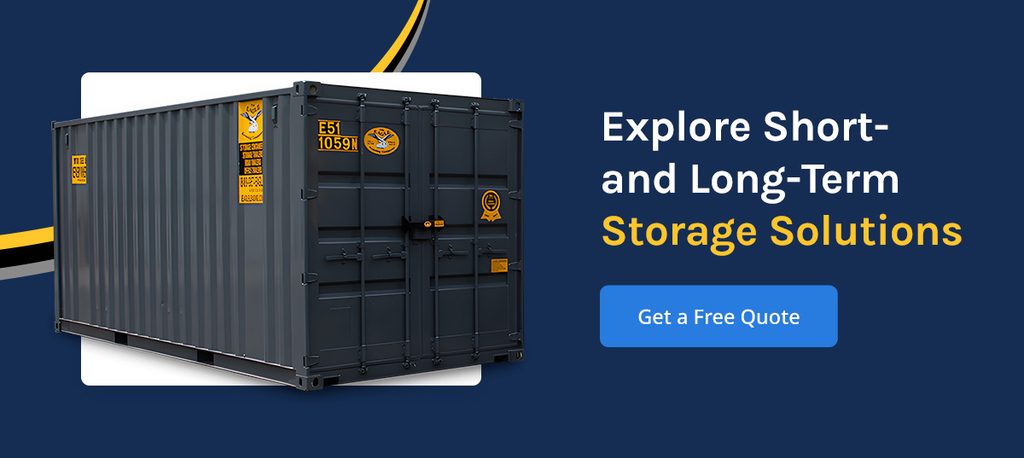
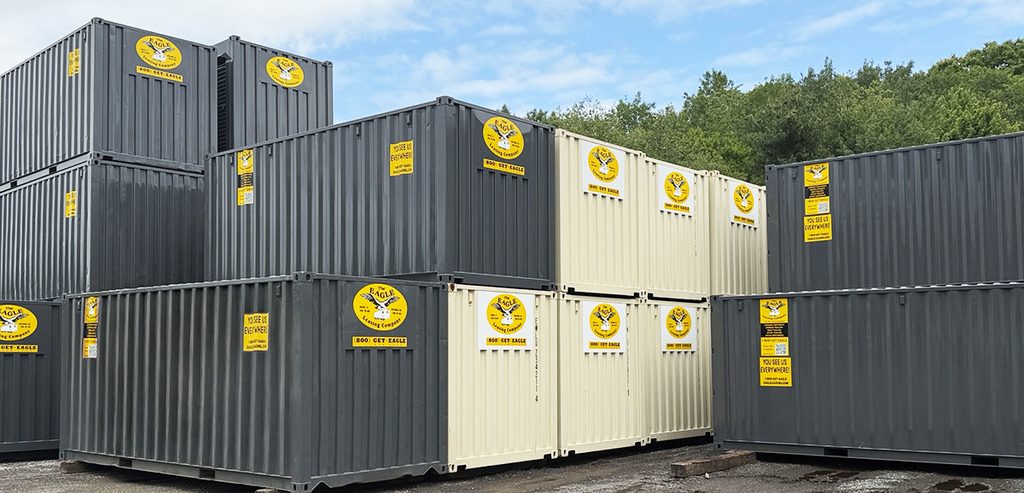
Placing durable storage containers and trailers at your location gives you immediate, controlled access to inventory right where you need it. Your team can restock shelves or pull promotional materials without leaving the property, eliminating travel time to off-site facilities. You can position mobile storage exactly where it fits your workflow, whether that’s at an event site, behind a store or in a loading area.
When locked, these containers are weatherproof and deter theft. Because you can place them on your property, you have direct control over security, keeping your assets within a controlled environment. These versatile solutions address both short- and long-term needs. Available in different sizes, you can match a storage unit to your operation and customize it with shelving, ventilation systems or other features your specific inventory requires.
Off-Site Commercial Storage
This category covers everything from individual commercial self-storage units to dedicated space within a larger third-party logistics warehouse. The decision comes down to whether you simply want a storage unit or need managed services to handle and process your inventory. Retailers with significantly large storage volumes and extensive order fulfillment infrastructure tend to benefit most from off-site commercial solutions.
Frequently Asked Questions
Retailers commonly ask these questions before committing to a storage rental.
What Does Short-Term Storage Cost?
Costs for short-term mobile storage vary significantly based on unit size, rental duration and delivery distance. Customization options like shelving, ramps or ventilation also influence the final price. Request a quote from Eagle Leasing for an accurate estimate based on your specific needs.
How Do I Protect Inventory From Moisture in a Storage Container?
To protect your inventory, choose watertight containers. Watertight seals and rubber door gaskets prevent moisture from entering through entry points, and marine-grade plywood flooring resists moisture absorption from the ground up. Eagle Leasing offers watertight containers with marine-grade plywood floors and heavy-duty cam-locking cargo doors with built-in rubber gaskets.
Will an On-Site Storage Container Affect the Appearance of My Retail Location?
Standard containers have a clean, industrial appearance that doesn’t detract from your location. However, containers typically go at the back of a property, loading dock or side yard, away from customer-facing areas. Eagle Leasing’s local delivery team works with you to find the most practical and discreet placement on-site.
Explore Short- and Long-Term Storage Solutions
Eagle Leasing offers both short-term and long-term lease options for mobile storage across the Northeast, Mid-Atlantic, Midwest and Southeast. Whether you need a container for three months or three years, you get the same proactive, straightforward service. Our team offers fast delivery and a straightforward leasing process, removing the guesswork so you can focus on running your retail operation with complete peace of mind.
Over nearly 60 years, we’ve built a reputation for reliability and meticulous customer care. We generally offer same-day or next-day delivery within 50 miles of our locations. Get a free quote, explore on-site storage options or contact our team to discuss retail storage solutions.