As temperatures drop and winter weather sets in, the right preparation can make all the difference for the condition of your stored goods and the lifespan of your unit. Whether you’re using your container for construction equipment, jobsite materials, retail overflow, or seasonal storage, a proactive winterization plan will help you avoid surprises down the road. In this article, we’ll walk through the key steps on how to prepare your storage container for winter.
1. Inspect the Container Structure & Site Location
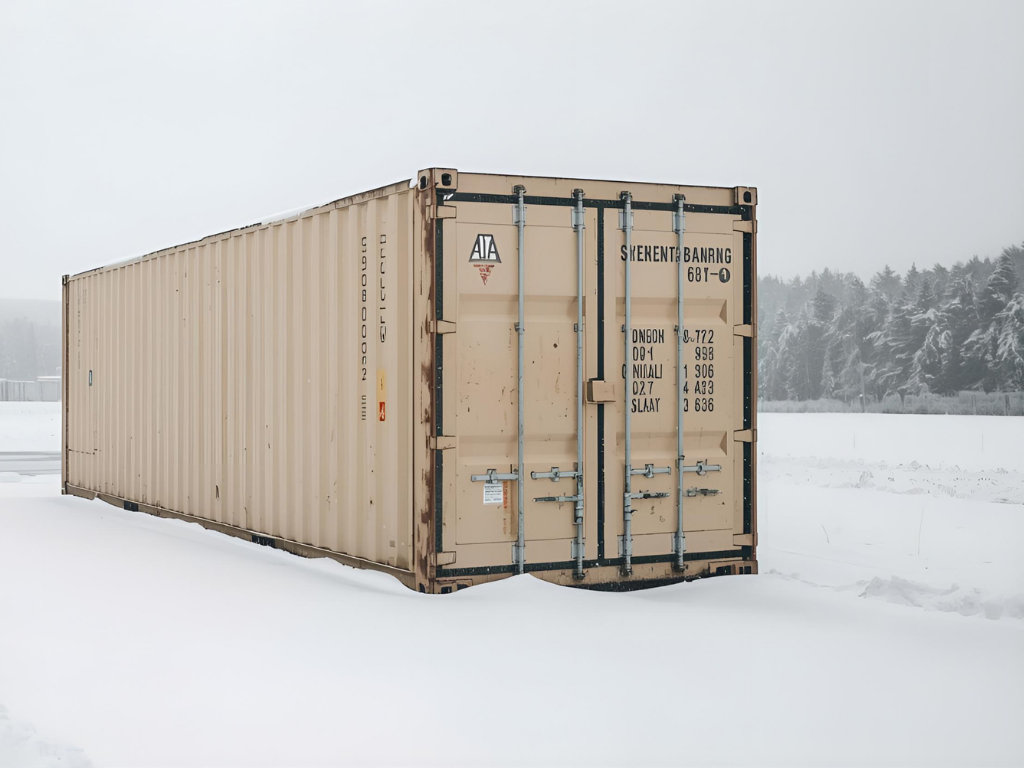
- Start by locating the container on its site. Avoid low‑lying areas where water will collect or freeze. According to experts, proper drainage and site preparation are essential to avoid moisture problems.
- Walk around and examine the roof, sides, and doors of the container. Look for dents, rust spots, pinholes, loose rivets, or signs where water and ice could accumulate.
- Check that doors open and shut smoothly. Lubricate hinges, ball bearings, door seals so they don’t freeze shut in cold weather.
- Clear snow, ice, or debris from the roof or the top surfaces. Heavy snow accumulation may stress container structure and lead to leaks.
Tip for Eagle Leasing clients: If your unit is on a jobsite or remote location, schedule the inspection now and document any issues with photos. This avoids having to deal with damage when things freeze up.
2. Protect Contents from Moisture, Cold & Freezing
- Dry out the unit and contents: Before loading (or before winter really hits), make sure the interior is dry. Moisture + cold = rust, mold, mildew.
- Elevate items off the floor using pallets or shelving. Even small amounts of water intrusion can accumulate and damage items at ground level.
- Use moisture absorbers / desiccants especially for materials like electronics, documents, fabrics, or equipment wood parts. A sudden drop in temperature can cause condensation.
- Remove or relocate items vulnerable to freezing: Liquid containers, paints, cleaning supplies, and some chemicals are at risk. If the container isn’t climate‑controlled, consider moving those items out.
3. Maintain Safe Access & Site Conditions
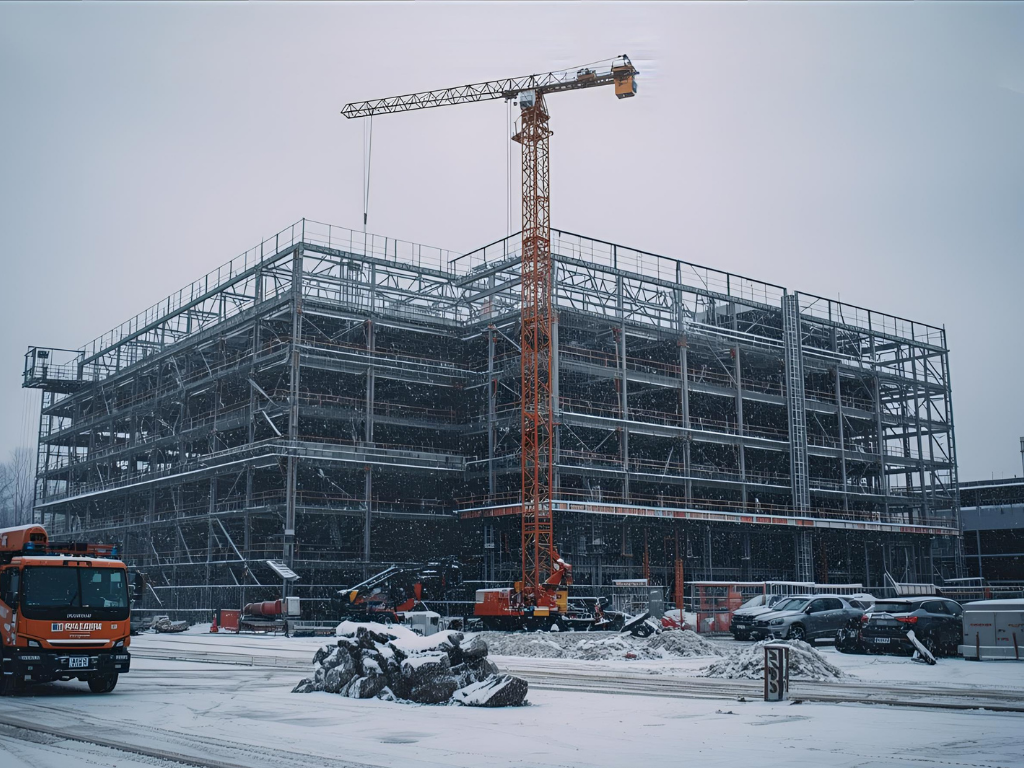
- Clear and maintain access paths to your container. Ice or snow in front of doors can block use or cause accidents. Ensure you have snow removal tools or contract in place.
- Monitor site lighting: Winter days are shorter; safe access in early morning or evening may require extra lighting.
- Label and keep schedules for inspections during winter. Check after heavy snow, icing events, or when thawing begins. Early check‑ups can prevent larger issues.
- For rental containers on jobsites: Communicate with your team about winter protocols—who checks the unit, who clears snow, how to report issues. Proactivity helps avoid delays.
4. Review & Adjust Your Rental / Leasing Plan
- Check with Eagle Leasing about your unit’s suitability for winter use. If you expect long‑term storage in freezing months, inquire about climate‑controlled options.
- Consider adding winter‑specific accessories: tarp covers, thermal floor mats, additional insulation kits, weatherproof locks.
Key Takeaways
- Conduct a full structural and site inspection before winter weather sets in.
- Protect your stored contents: dry environment, elevation, insulation, desiccants.
- Maintain safe access and site conditions: snow/ice clearing, lighting, inspection schedule.
- Coordinate with your leasing provider (Eagle Leasing) about rental suitability, contract terms, and winter accessories.
Conclusion: How to Prepare Your Storage Container For Winter
Winter doesn’t have to mean worrying about what’s inside your storage container. With the right preparation—structural inspection, weather‑proofing, proper content handling, and site maintenance—you’ll set yourself up for a worry‑free season. At Eagle Leasing, we’re here to support your storage needs whether you’re planning for long‑term equipment staging, seasonal overflow, or jobsite inventory. Contact us today to discuss the right container size, insulation options, and winter‑ready services that keep your operation moving smoothly.
Need a temperature controlled unit? Consider renting one of our mobile offices.