
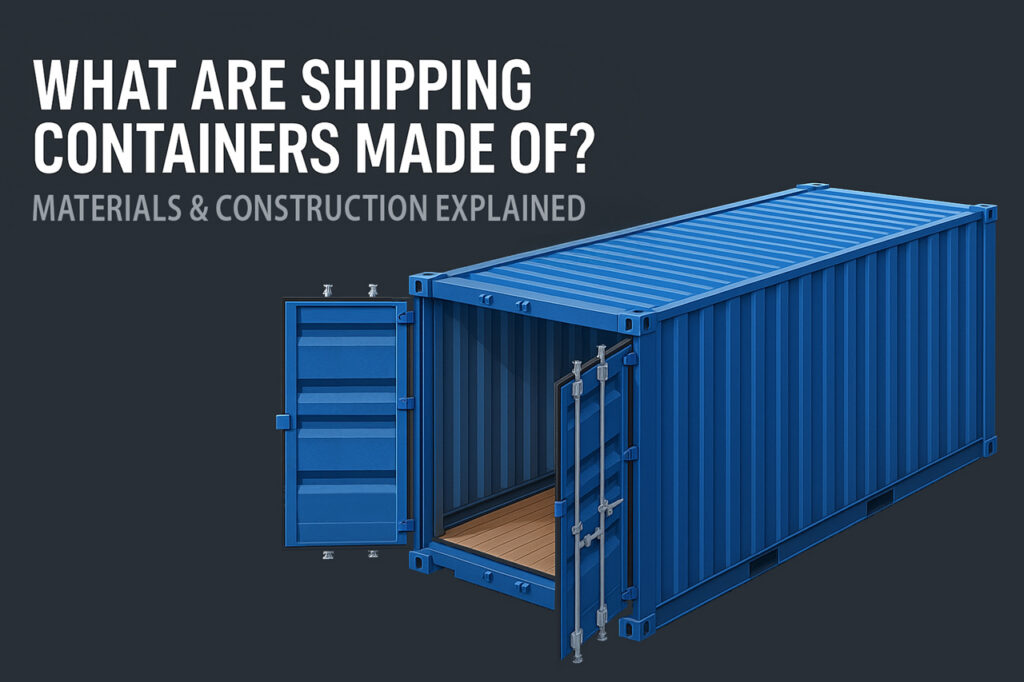
First, check out this quick Container 101 video explaining what shipping containers are made of and how their design contributes to durability and versatility. This is a great starting point for understanding the materials, structure, and purpose behind the containers we see moving goods around the world every day.
Understanding Container Materials and Construction
Shipping containers are primarily constructed from Corten steel, a high-strength, weathering steel that forms a protective rust layer to resist corrosion. Their design includes corrugated steel panels for added rigidity, square tubing and I-beams to strengthen the frame, and marine-grade plywood floors supported by steel crossbeams. Corner castings at each corner make lifting, stacking, and transport safe and secure. These durable, modular units meet strict ISO standards, making them ideal for portable storage containers, long-term storage, and adaptable structures such as jobsite trailers.
Materials Overview
1. Corten Steel (Weathering Steel)
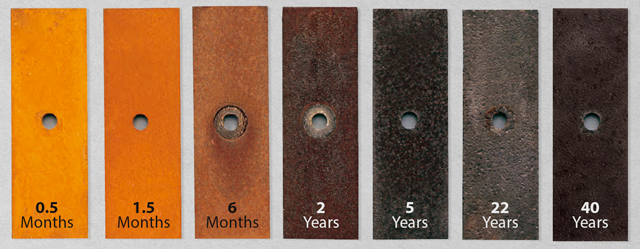
Corten steel serves as the main material in most shipping containers. This high-strength, low-alloy steel eliminates the need for painting by forming a stable, protective oxide layer when exposed to the elements. As a result, it resists corrosion and performs well in harsh environments.
2. Aluminum (Selective Use)
Some specialty containers use aluminum instead of steel. Aluminum weighs less and naturally resists rust, but it lacks the strength of steel and often costs more. For this reason, manufacturers use it for air freight or other light-duty purposes.
3. Floor Construction
Builders install marine-grade plywood, typically 1-1/8 inches thick, over steel crossbeams. This combination creates a durable, moisture-resistant base that supports heavy cargo. The waterproof adhesive and dense hardwood veneers in marine plywood make it ideal for long-term outdoor use.
4. Structural Components

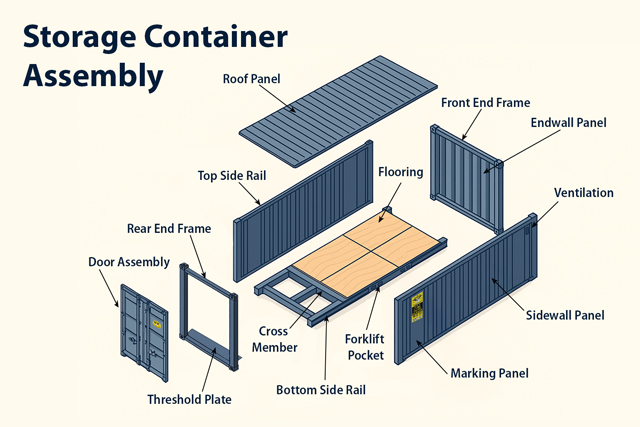
- Corrugated panels: The sidewalls, roof, and doors consist of corrugated steel panels. Corrugation strengthens the structure and distributes loads evenly, helping the container endure impacts and pressure.
- Square tubing and I-beams: These elements form the container’s frame. They keep the unit stable and prevent distortion during handling and stacking.
- Corner castings: Each corner contains cast steel fittings that allow safe lifting, secure stacking, and easy transport. These castings meet ISO standards, ensuring global compatibility.
Construction Process: From Raw Steel to Ready Container
Panel Fabrication
Technicians begin by cutting large steel sheets to size. They then sandblast the surfaces to remove impurities, apply primer to help paint adhere, and corrugate the panels to improve strength.
Frame Assembly
Workers construct the container’s base using steel I-beams and square tubing. This base supports the floor panels. After building the foundation, they weld sidewalls and roof panels to form the structural shell. Reinforcements go into place to help the container handle heavy use.
Integration of Key Components
Teams install the doors, corner castings, locking bars, and ventilation ports. Marine plywood flooring is secured over the steel cross members with bolts and sealant to prevent shifting and moisture intrusion.
Finishing & Quality Control
After assembly, workers apply a rust-resistant primer and marine-grade paint. Each container goes through inspections for waterproofing, structural strength, and compliance with ISO standards. These coatings provide added protection against the elements.
Why This Matters: Structural Benefits & Practical Considerations
Exceptional Strength & Stackability
Shipping containers can support stacking up to 12 units high when fully loaded. Their reinforced steel design and uniform construction simplify secure stacking in ports, on ships, or at job sites.
Weather Resistance & Durability
Thanks to the weathering properties of Corten steel, containers can last over 25 years with minimal upkeep. Even if scratched, the material forms a protective layer that prevents deeper rust.
Modular & Intermodally Compatible
These containers follow ISO standard dimensions—20 or 40 feet in length, 8 feet in width, and 8.5 or 9.5 feet in height. Their uniformity allows seamless transfer between trucks, trains, ships, and cranes. This makes them ideal for logistics, storage, and creative reuse.
Structural Caveat
The walls and corners support significant weight, but the roof does not. It sheds water and withstands weather but requires reinforcement if you plan to store heavy loads on top.
Repurposing Considerations
Many people repurpose containers into homes, offices, or retail units. These projects often require insulation, ventilation, and floor replacement. Some older containers may contain pesticide-treated floors, which must be replaced for safe human use. Eagle Leasing offers container modifications to support these needs.
Summary Table: Key Materials & Construction Elements
| Component | Material / Process |
|---|---|
| Walls & Roof | Corrugated Corten steel panels |
| Structural Frame | Square tubing, I-beams, steel floor frame |
| Corners | Cast steel corner castings for stacking/handling |
| Floor | Marine plywood on steel crossbeams |
| Exterior Finish | Primer, rust-resistant paint |
Frequently Asked Questions
Q: Why is corrugated steel used?
Corrugated panels increase strength and distribute pressure evenly. This allows containers to handle stacking and rough handling without distortion.
Q: Are all containers made of steel?
Most containers use Corten steel due to its strength and corrosion resistance. However, some lighter containers are made of aluminum.
Q: Can a container with missing paint still resist corrosion?
Yes. Corten steel forms a protective oxide layer that prevents deep rust. Still, regular inspections help maintain long-term durability.
Q: Can these containers be stacked when empty?
Yes. Containers are designed to stack securely whether full or empty. Their frame and corner castings provide the required stability.
Q: Are container roofs as strong as the walls?
No. Roofs are thinner and not meant to bear heavy loads. Reinforcement is necessary for added weight or roof modifications.
Final Thoughts
Shipping containers offer more than just space—they deliver unmatched durability, portability, and modular function. Built from weathering steel and reinforced with strong framing and marine plywood, these structures can handle global transport and repurposing alike.
Need More Than a Container?
In addition to containers, Eagle Leasing also provides storage trailers—a flexible option for customers who need mobile storage with easy ground-level or dock-height access. Whether you’re managing a jobsite, preparing for a move, or expanding storage at your business, we have the right solution ready for fast delivery.
Get a free quote or speak with a storage expert.
Looking for ways to keep your container secure? Check out our sister company, Rent-A-Container’s most recent post: How to Lock a Shipping Container.